The smell of burning history
Florence doesn't smell like Renaissance perfume or jasmine. It smells like a mixture of diesel exhaust from idling tour buses, the sharp tang of cheap, burnt espresso, and that specific, swampy humidity that clings to your shirt before you’ve even reached the Ponte Vecchio. The stones here hold the heat like a radiator in a basement apartment. You’re walking on history, sure, but you’re mostly walking on discarded cigarette butts and the crushed hopes of people who thought they were going to have a Room with a View moment but ended up in a room with a view of a dumpster. The tourists are missing the point entirely. They are staring at their phones, looking for the next gelato shop that pays for influencers to stand in front of their windows. They don’t see the way the light hits the grime on the lower levels of the Uffizi. They don't see the local butcher wiping his hands on a rag that has seen more history than the Medici family.
It’s a city of stone walls that trap the sound of a thousand rolling suitcases. The click-clack-click is the heartbeat of this place, and it’s a migraine-inducing rhythm. I once sat on a curb near the Santa Maria Novella, just watching the chaos. I saw a man get shoved by a Segway tour. I saw a pigeon eat a dropped piece of a panini that cost someone 9 Euro. It’s all so deeply, painfully human.
If you actually want to see the art, you have to be miserable. You have to wake up at 5:00 AM before the cruise ship crowds descend like locusts. You have to skip the breakfast buffet that tastes like cardboard and go find a bar that still serves locals. If you don't feel like you’re doing something wrong by avoiding the main plazas, you’re doing it wrong.
The scam machine
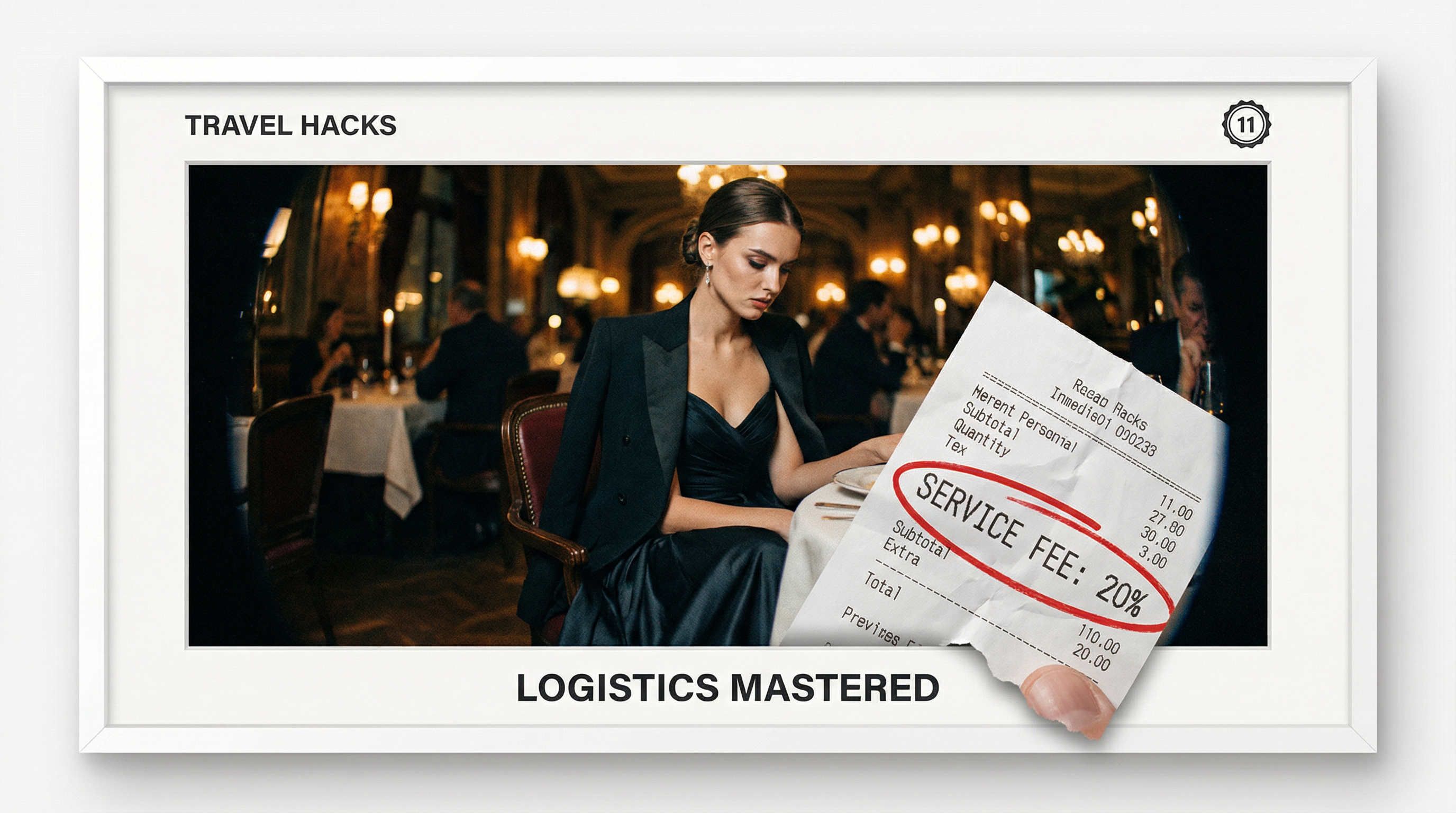
Let's talk about the money. You think you’ve budgeted. You haven’t. Florence is a professional machine designed to siphon cash from your pockets before you realize you’ve been fleeced. The 'hidden fee' trap is real, and it’s usually buried at the bottom of a menu in a font so small you’d need a magnifying glass to read it. I’ve sat down for a glass of house wine that was listed at 6 Euro, only to find a 20% 'service charge' plus a 'coperto' that appeared magically. It’s not a tip. It’s a tax on your naivety.
And don’t get me started on the 'beach club' and 'day trip' reservation scams. You’ll see these flashy posters promising a day of Tuscan sun and luxury. You pay the booking fee, you show up, and suddenly there’s an extra mandatory 'environmental tax' or a 'towel rental fee' that costs as much as a sandwich. It’s a predatory ecosystem. To save your sanity, use WeGoTrip to actually secure your museum entries without getting shaken down by some random agency on the street. It’s not about convenience; it’s about not getting played by people who see your passport and smell your ignorance.
And if you’re trying to navigate the digital mess of local bookings, check out Yesim for an eSIM so you aren't tethered to the hotel Wi-Fi. Being lost in Florence without a working map is how you end up in a restaurant that charges 45 Euro for a plate of carbonara that came out of a microwave. Trust me, I’ve eaten that pasta. It tastes like regret and bad life choices.
The sweat and the stone
Florence is a city built for walking, but it’s a city that hates your feet. The cobblestones are uneven, sharp, and unforgiving. By 2:00 PM, my lower back usually feels like it’s being held together by duct tape and caffeine. The sun doesn't just shine; it beats down on you until you’re hallucinating about shade. The tourists cluster in the center like iron filings to a magnet, which leaves the side streets surprisingly empty if you just know how to turn a corner.
But that’s where the real stuff lives. It’s in the tiny workshops where people are still repairing leather by hand. It’s in the small, dusty cafes that haven't changed their decor since 1974. I remember walking into a place near the Oltrarno where the owner just grunted at me, poured a grappa, and left me alone. No service charge. No smile. No nonsense. That was the best hour I spent in Italy.
Why do we keep coming back? It’s the art, I guess. You see a Caravaggio, and for a second, the noise of the city dies down. You see the way the marble looks like skin, and you forget that you just paid 12 Euro for a bottle of water. You keep chasing that feeling, even though you’re broke, tired, and your boots are falling apart. It’s a cycle of abuse, but the art is worth the price of admission. Just don’t be a sucker. Watch the bill. Watch your bags. And for the love of everything, walk until your legs stop working, because that’s the only way to actually see what’s behind the wall of tourists.
Everything has a price, but the cost of the experience is usually higher than the menu says. Keep your eyes open, your wallet in your front pocket, and stop looking for perfection. Perfection is a lie sold to you by people who want your money. The reality? It’s gritty, it’s loud, and it’s beautiful if you can stomach the work.