The smell of slow rot and expensive coffee
Luang Prabang hits you first with the humidity. It’s a physical weight, a wet wool blanket that smells of fermenting jackfruit, diesel fumes from a passing tuk-tuk, and the cloying, sickly-sweet scent of incense burning on a shrine that hasn’t seen a fresh lotus in three days. You walk the streets and the sidewalk concrete is cracked, slick with moss, and periodically erupting in a geyser of lukewarm sludge. Tourists wander around with glazed eyes, looking for a spiritual awakening in a town that’s mostly just trying to keep the mold off its colonial walls.
They miss the point. They’re too busy trying to capture the golden hour on a French-colonial balcony to notice the guy next to them sweating through his shirt, trying to fix a blown tire with a rusted screwdriver. The Mekong isn't some meditative, placid ribbon of glass. It’s a churning, brown artery of mud and debris that drags the mountains of the north toward the sea. It sounds like a low-frequency growl at night. It smells like wet earth and wet metal. It is not romantic. It is just heavy.
The road is a lie you pay for
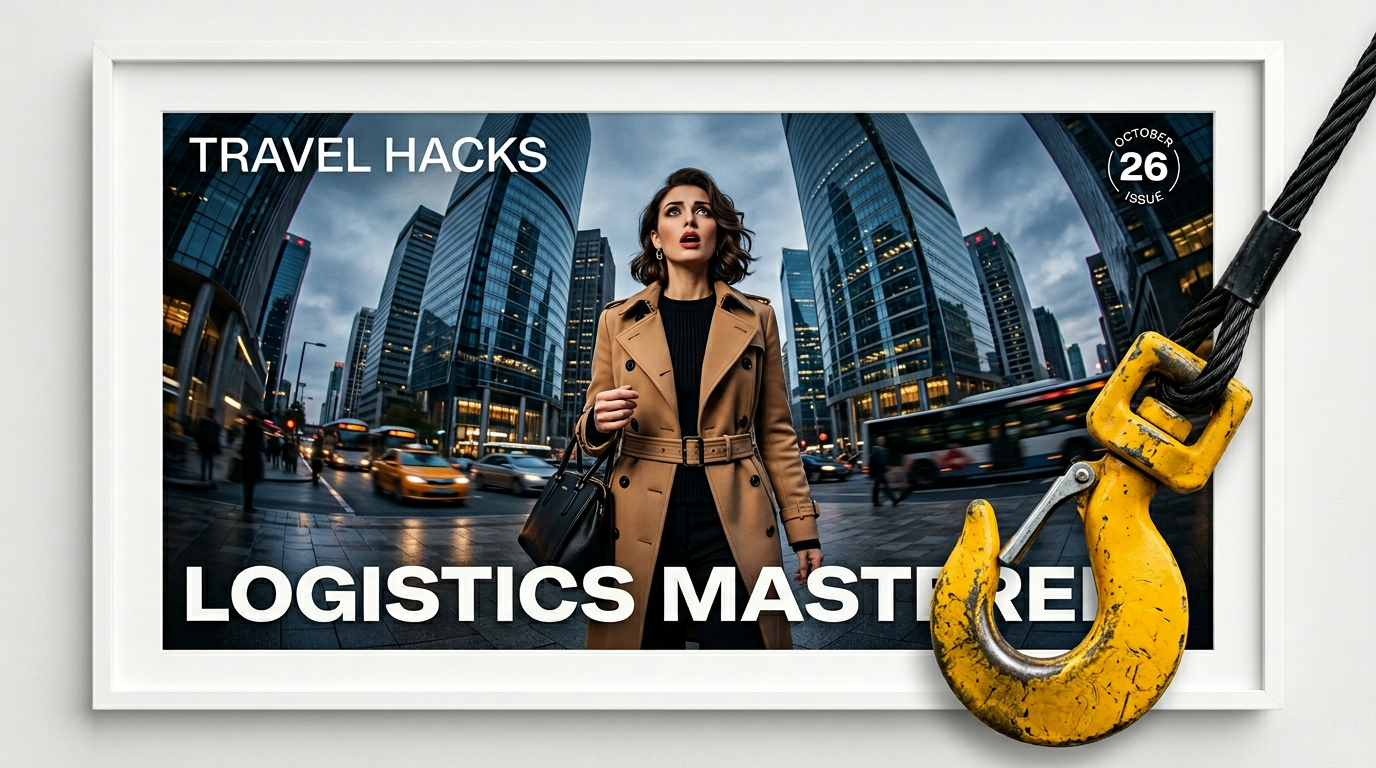
I once spent four hours stuck on a mountain pass because a truck—not unlike the one in that wretched rental-towing-truck.jpg file—decided to become a permanent part of the cliffside. People romanticize the slow life, but they don't mention the 'slow' part usually involves sitting on a burning hot bike while a local mechanic tells you the part you need won't arrive until next Thursday. If you decide to rent a bike—and God help you if you do—don't trust the first shop that smiles. Use Localrent.com. They aren't going to fix the roads for you, but at least you aren't gambling your entire deposit on a bike held together by duct tape and hopes. And trust me, the potholes here are deep enough to swallow a small sedan. I’ve seen people lose their dignity and their front axle in the same three-meter stretch of red clay.
Then there’s the connectivity. You think you’re going to upload your 'slow life' content while sitting in a bamboo hut, but the local SIM cards are a joke that isn't funny. I stopped buying them at the airport years ago. I use Yesim. It’s the only way to make sure that when you’re standing in the middle of a monsoon shower in the middle of nowhere, you can actually pull up a map instead of staring at a loading icon until you pass out from heat exhaustion. You need data, not because you’re a digital nomad, but because you need to call a tow truck when the jungle claims your rental.
Police shakedowns? Oh, they exist. It’s always the same script. You’re pulled over for some phantom traffic violation that doesn't actually exist in the local code. They want the 'fine' paid in cash, on the spot, usually in USD because they know the exchange rate better than the central bank. I’ve paid my share of 'tourist taxes' just to stop the shouting. It’s a tax on being naive. It’s a tax on looking like you have somewhere to go.
Surviving the sensory overload
The price of a decent bowl of khao soi is about 25,000 to 35,000 kip. If you’re paying 80,000, you’re sitting in a place that caters to people who think the locals are 'quaint.' I prefer the plastic stools where the oil hasn't been changed since the nineties. It tastes like charcoal and desperation. It’s perfect. The noise is constant. Between the roosters that crow at 3:00 AM and the incessant humming of generators, you aren’t going to get a good night's sleep. Forget your sleep hygiene routines. This is a place where you just succumb to the exhaustion.
You will walk until your boots are caked in orange dust. You will buy a bottle of Beerlao for 15,000 kip and realize it’s the only thing keeping you hydrated. You will watch the monks walk by in their saffron robes and realize they’re just people, too, trying to get through the day without being shoved by a tourist with a telephoto lens. And you will hate the tourist. But you’ll also see yourself in them. That’s the real lesson here. It’s not about finding yourself. It’s about realizing how much of your life you spend managing logistics—insurance, SIM cards, transport, visas—just so you can stand on a riverbank and watch brown water move.
The Mekong is patient. It doesn't care if your bike is towed. It doesn't care if your data is throttled. It just flows. And if you’re smart, you’ll stop trying to make everything 'perfect' and just accept that your trip is going to be messy. Maybe you’ll get lucky. Maybe the truck that tows your rental won't break down, too. But I wouldn't bet on it.
So, keep your expectations low. Keep your gear locked down. And for the love of everything, don't try to swim in the main channel during the rainy season unless you have a death wish. The river always wins.