The Smell of Stagnation and Diesel
Venice doesn't smell like romance. It smells like a mixture of diesel exhaust from the vaporettos, the sharp, acidic tang of rotting fruit left behind in the back alleys of Cannaregio, and the damp, salty rot of ancient timber submerged in brackish water. You walk across the Rialto Bridge and you aren't drinking in history; you are being shoulder-checked by a cruise ship passenger holding a selfie stick like a spear. The reality of this place is a sensory assault of clattering luggage wheels on uneven Istrian stone, a sound that echoes off the buildings until your skull vibrates. It is loud. It is claustrophobic. It is aggressively persistent.
But then, you take a wrong turn. You leave the main drag, the one where the glass shops sell mass-produced junk for three times its value, and you find a bridge that doesn't have a name on any map. It is just a slab of stone spanning a narrow, green-slicked artery of the city. Here, the silence is heavy. The water laps against the moss-covered walls with a rhythmic, hypnotic sound. This is the only way to endure the place, by finding these slivers of quiet where the tourists haven't reached with their loud voices and overpriced gelato. My boots have walked these miles for two decades, and the soles are thinner than my patience for the average travel blogger.
The Digital Death Trap
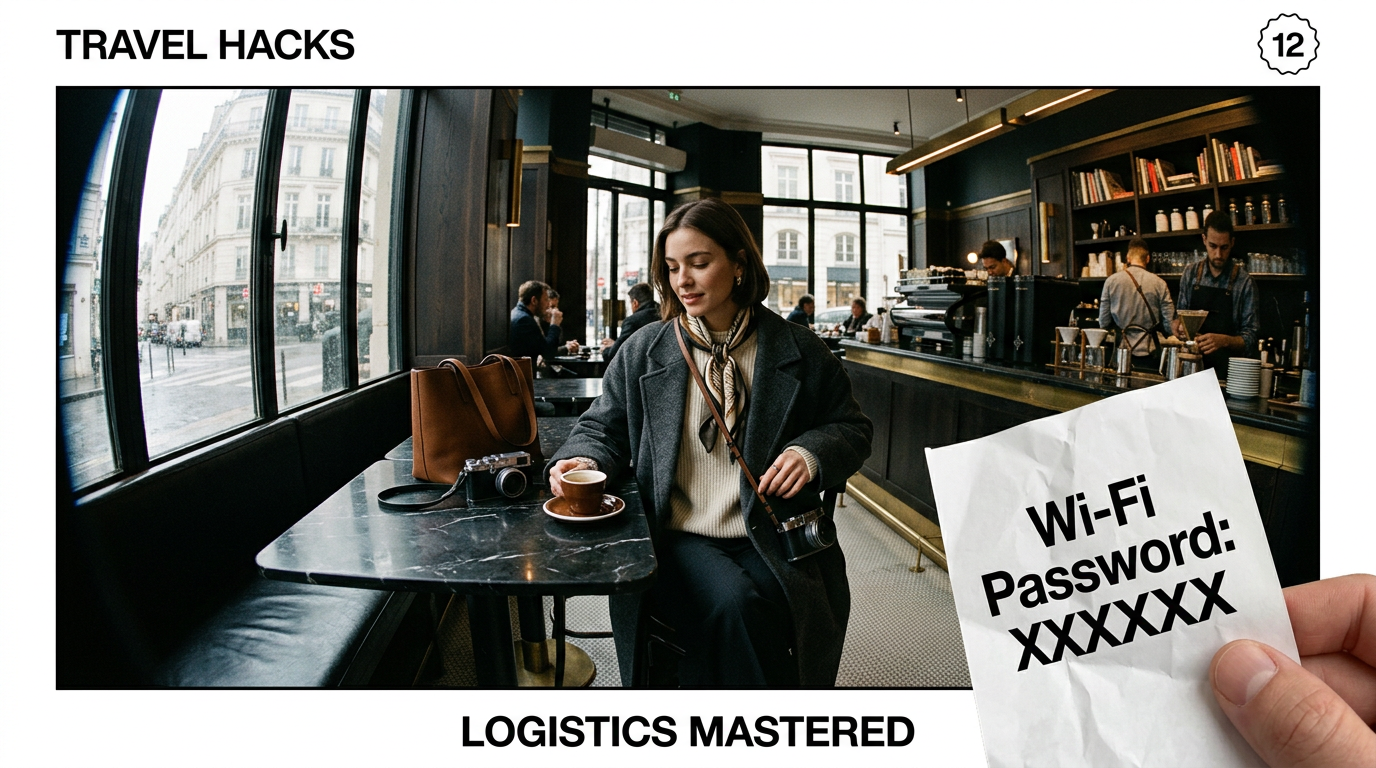
You think you can just wander into a café, order a two-euro espresso standing at the bar, and jump on the public Wi-Fi to check your map? Think again. The café trap is real. You sit down, the waiter glares at you because you haven't ordered a full lunch, and the connection is throttled so hard you couldn't load a text message, let alone a GPS route. I once spent forty minutes trying to find my hostel in San Polo because the signal died right as I turned into a labyrinthine maze of dead-end calli. The panic is cold and sharp. You are holding a thousand-dollar piece of glass and metal that is effectively a paperweight in a city designed to confuse you. This is why I stopped relying on local 'free' access years ago. You need a stable Yesim eSIM if you want to keep your sanity. It is the only way to ensure that when you are standing in front of a bridge that isn't on Google Maps, you can actually pin the location instead of wandering aimlessly until your feet start bleeding.
Because let’s be honest, getting lost is only charming for the first twenty minutes. After that, it is just sweat, blisters, and the realization that you have walked three miles in a circle. I have been there. I have stood in the middle of a square in Dorsoduro at 2 AM, rain pouring down, with no data, no sense of direction, and a phone battery that was actively dying. It is a humiliating position for any professional traveler. Having a reliable eSIM is the difference between a minor logistical hiccup and a full-blown crisis.
Cruising vs. Living
The canal cruises are a joke. You pay fifty, sixty, sometimes eighty euros to sit on a wooden bench while a bored operator tells you lies about the history of a palazzo. They push you through the Grand Canal, where you get a face full of exhaust fumes from the water taxis, all so you can take the same photo that ten thousand other people have taken that day. Avoid them. If you want to see the water, take the Number 1 vaporetto at 6 AM. It costs roughly 9.50 euros for a single ticket, or you can get a pass if you plan to do some actual exploration. Sit at the back. Watch the city wake up before the cruise ships unload their hordes.
And the secret bridges. Everyone asks for them as if they are hiding behind a velvet curtain. They aren't. They are just the bridges that don't lead to the Piazza San Marco. Walk toward the northern edge of the city. Look for the laundry hanging over the streets. If you see a bridge where a local is leaning on the railing, smoking a cigarette and staring at the water without looking at a phone, that is where you go. That is where you sit for a moment. Just don't block the way. People live here, even if they have been pushed to the fringes by the massive wave of short-term rentals that have turned the city into a hollowed-out museum.
Everything costs more than it should. A tiny bottle of water at a stand near the station? Two euros fifty. A decent meal that isn't a reheated frozen pizza? At least thirty euros. If you are on a budget, buy a bottle of wine from a supermarket and drink it on a bridge at sunset. Just take your trash with you. The city is drowning, literally and figuratively, and the least you can do is not leave your empty bottle in the canal. It is exhausting, yes. But it remains the only place on earth that feels like it shouldn't exist, yet somehow refuses to sink completely. Keep your data up and your expectations low, and you might actually survive the trip without hating every single second of it.